Configuring Photoshop Brush Dual Brush Dynamics for Realistic Digital Watercolor Blending
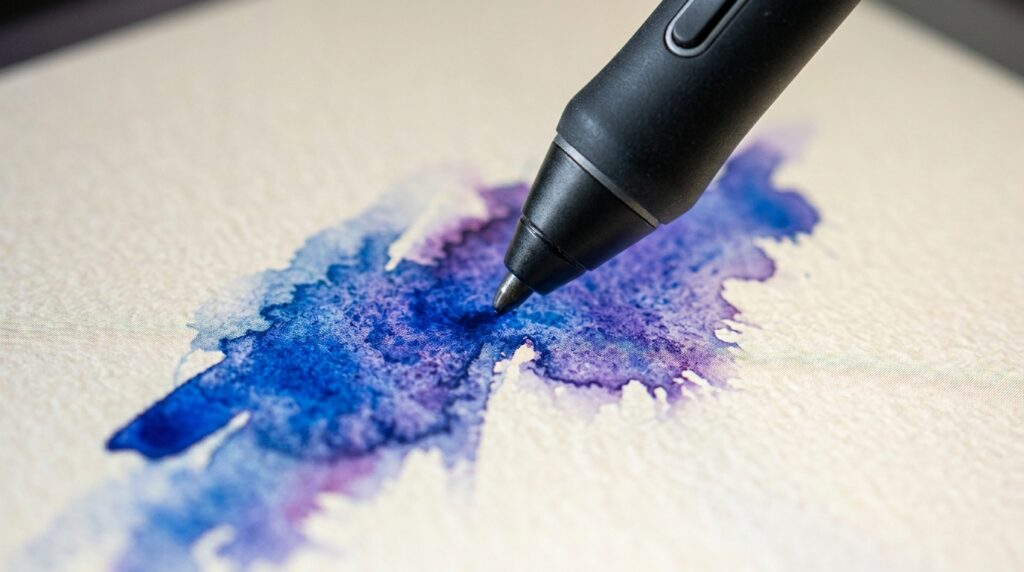
Configuring Photoshop Brush Dual Brush Dynamics for Realistic Digital Watercolor Blending
In recent years, there has been a tremendous advancement in digital watercolor painting, which has enabled artists to replicate the gentle transitions, fluid textures, and organic mixing that are typically associated with real watercolor medium. In order to get genuinely realistic watercolor effects, it is necessary to have a better grasp of Photoshop’s complex brush engine. Standard brush settings may approximate basic paint application, but such settings are not sufficient. Artists are able to merge two brush tips into a single customisable tool thanks to Dual Brush Dynamics, which is one of the most powerful capabilities that is also one of the most neglected. It is possible for designers to simulate pigment dispersion, the impact of paper texture, and the unexpected aspects of wet-on-wet watercolor methods by regulating the interaction between the components of the brush. In addition to providing digital painters with additional creative versatility, mastering the Dual Brush setup enables them to create blends that seem natural and closely resemble conventional watercolor artwork. Therefore, it is crucial for artists who want to improve the authenticity and expressive quality of their digital painting processes to have a solid understanding of how these variables interact with one another.
Acquiring an Understanding of the Traits of Traditional Watercolor
The first step in creating realistic digital watercolor effects is to have an understanding of how conventional watercolor reacts when applied to paper. Watercolour, in contrast to other painting media that are opaque, is primarily dependent on transparency, pigment dispersion, and the interplay between moisture and surface roughness when painting. The slow merging of colors results in the formation of gentle edges and tonal transitions that are delicate, both of which contribute to the medium’s characteristic look. Variations in the concentration of pigments result in the creation of intricate textures and organic imperfections, which enrich the sense of realism. It is not enough to just choose a preset for a watercolor brush in order to successfully replicate these properties digitally! In order to compose digital tools that are capable of capturing the spontaneity and fluidity that are characteristic of genuine watercolor painting, artists need to have a solid understanding of the visual concepts that underlie conventional approaches.
An Investigation into the Capabilities of Dual Brush Dynamics
Users of Photoshop have the ability to bring together two distinct brush tips into a single painting instrument via the use of Dual Brush Dynamics. The main brush is responsible for applying paint over the canvas, while the secondary brush has an effect on how the primary brush does it. This interaction results in the creation of more intricate stroke patterns and the introduction of natural imperfections, both of which are often absent from ordinary brushes. Artists have the ability to imitate the uneven pigment distribution that is typical of watercolor methods by altering the size relationships, spacing values, and blending behavior while working with watercolor. It is possible to tailor these interactions, which allows an incredible level of control over the operation of the brush. When it comes to generating believable watercolor blending effects, having a solid foundation of understanding how the functioning of Dual Brush influences stroke production is essential material.
Making the Right Choices When Combining Different Brush Tips
Choosing brush tip shapes that are complimentary to one another is a significant factor in determining how successful Dual Brush Dynamics is. While the main brush is often responsible for establishing the overall stroke structure, the secondary brush is responsible for introducing texture and disruption that mimics the granulation of pigment or the absorption of paper. While rough secondary brushes may simulate the uneven deposition of watercolor pigments, soft, rounded brush tips may be able to support smooth color transitions with their ability to support smooth color transitions. Artists are able to uncover configurations that are in line with their personal painting style by experimenting with a variety of various combinations. The careful selection of brushes is a vital factor in the achievement of natural results and assists in the avoidance of repeating patterns that weaken the authenticity of digital watercolor effects.
Modifying the Spacing in Order to Achieve Organic Paint Retention
The brush spacing determines the distance between each individual brush impression that occurs during a stroke, which in turn determines whether the paint appears on the canvas in a smooth or uneven manner. On the other hand, larger spacing produces minor texture changes that more accurately simulate the behavior of watercolor, while lower spacing values often generate continuous applications that are suited for gentle blending. When Dual Brush Dynamics are active, alterations to the distance between the brush components have an effect on how they interact with one another, which result in a stroke that is even more complicated. It is vital to find a right balance in order to preserve smooth transitions without compromising the organic irregularities that are associated with conventional watercolor methods. In the course of the painting process, careful calibration of the spacing increases the sense of realism.
Making Use of Opacity and Flow in Order to Create Layered Blending
Traditional watercolor is characterized by the slow construction of layers that are translucent in order to produce depth and richness. Within the realm of digital surroundings, the opacity and flow parameters serve a similar function in terms of managing the accumulation of pigment and the degree of mixing. Lower values provide painters the ability to apply color in stages, which encourages delicate transitions and helps to maintain the brilliance of the artwork. It is possible to achieve more subtle interactions between overlapping strokes by combining these parameters with Dual Brush Dynamics. This layered method is quite similar to the traditional glazing processes used in watercolor, and it offers more versatility when it comes to improving tonal relationships. When it comes to crafting genuine watercolor effects with greater visual complexity, controlled transparency is a big contributor.
Creating a Paper-like Texture by Changing the Configuration of the Brush
Paper texture is a crucial component of the aesthetics that are associated with traditional watercolor. There is a correlation between the absorbent surface and the behavior of pigment, the development of edges, and the dispersion of color throughout the painting. By creating controlled inconsistencies among brush strokes, Dual Brush Dynamics may assist in the process of emulated effects. It is possible to increase the illusion of texture without the need for separate overlays by using secondary brush tips that include grain-like patterns or slight surface changes. Through the manipulation of dispersion and spacing factors, artists have the ability to further modify these interactions. It is possible to increase the realism of digital watercolor paintings by directly including texture into brush action, which also results in more visually engaging finished products.
Maintaining a Balance Between Predictability and Natural Variation
Watercolor is characterized by its innate unpredictability, which is one of its distinguishing traits. The uneven distribution of pigments, the dynamic interaction between them, and the production of one-of-a-kind results all add to the expressive appeal of the medium. Despite the fact that digital tools provide accuracy and control, brush behavior that is too consistent might reduce the sense of realism. Dual Brush Dynamics offers the possibility of reintroducing variety by means of modifications that have an effect on the distribution of strokes and the surface interactions between textures. It is possible to keep the spontaneous elements that are associated with traditional watercolor painting by ensuring that there is a balance between intended creative direction and slight unpredictability. It is via this balancing that artists are able to accomplish genuine outcomes while simultaneously maintaining trust in their creative process.
Developing Workflows That Are Efficient When Painting with Watercolor
When dealing with complicated brush setups, establishing routines that are structured ensures consistency and increases efficiency. The ability to save customized Dual Brush presets gives artists the ability to reuse effective settings across several projects while still retaining a consistent visual style. Simplifying the process of selecting tools during active painting sessions may be accomplished by classifying brushes according to the tasks for which they were designed, such as washes, detail work, or texture improvement. Consistently experimenting with different parameter modifications not only fosters continuous progress but also broadens the scope of creative possibilities. By ensuring that technical factors compliment creative expression rather than disrupting the painting experience, efficient workflow procedures guarantee that artistic expression stays uninterrupted.
Improving the Quality of Digital Watercolor by Utilizing More Advanced Brush Techniques
Artists have access to a strong way for duplicating the delicate beauty of traditional watercolor medium via the configuration of Photoshop Brush Dual Brush Dynamics for realistic digital watercolor mixing. Through a grasp of the fundamentals of watercolor behavior and the careful use of brush tips, spacing changes, transparency settings, and texture simulations, digital painters are able to create artwork that is remarkably genuine. One way to further improve the expressive aspects of each work is to strike a balance between accuracy and spontaneous variance. The mastery of complex brush combinations is becoming more useful for artists who are looking to achieve outcomes that are both unique and professional as digital painting tools continue to become more advanced. The continual research and improvement of these approaches gives designers the ability to enhance their creative powers and bring authentic watercolor aesthetics into the domain of digital media.